ISG Dammam Explores the Future Through AI Literacy Expo
SHARE
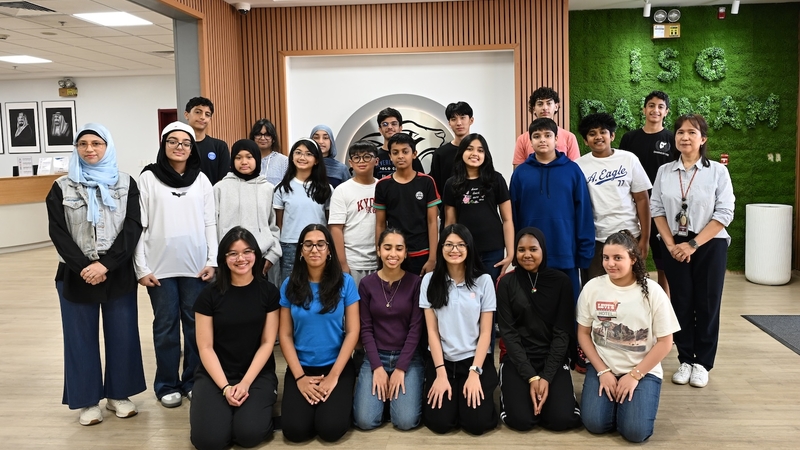
The future of Artificial Intelligence came to life at AI Unlocked: A Guided Literacy Expo, an immersive exhibition designed to educate, challenge, and inspire visitors through the rapidly evolving world of AI.
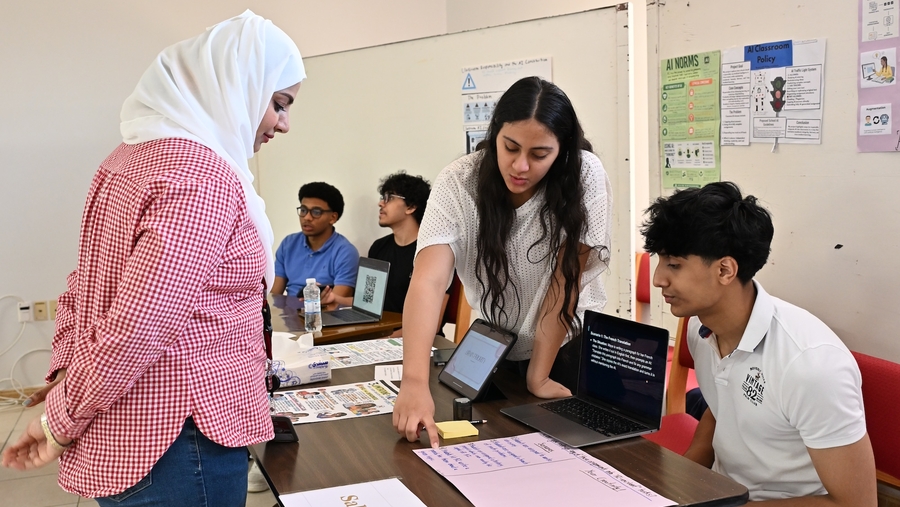
Organized as a sequential learning journey, the exhibition guided attendees through five interactive zones, each exploring a different aspect of artificial intelligence, from the mechanics of machine learning to its ethical implications and real-world applications.
The experience began in Zone 1: Foundations: How Machines Learn, where visitors explored the inner workings of AI systems. Through projects such as Inside the Brain of AI, students demonstrated how neural networks process information through input, hidden and output layers. The Machine Learning Arena transformed complex concepts into an engaging competition, helping visitors understand the differences between supervised learning, unsupervised learning, reinforcement learning and the unique ways each approach teaches machines to learn. Meanwhile, The Data Shapes the AI highlighted the critical role that accurate and diverse data plays in ensuring fair and reliable AI systems.
In Zone 2: Artificial Creativity & The Arts, students tackled one of AI’s most fascinating questions: Can machines truly be creative? The AI Creativity Studio challenged visitors to distinguish between human-created and AI-generated works of art and music. Complementing this experience, Can AI Really Outdo Humans in the Arts? explored whether algorithms can genuinely replicate the emotion and originality that define human creativity.
The journey continued into Zone 3: Critical Literacy: Truth & Verification, where students addressed the growing challenge of misinformation in the age of AI. Through Truth or Error, visitors learned why AI systems sometimes generate inaccurate or biased responses. The AI Truth Detective Lab provided practical fact-checking strategies, while the AI Survival Challenge Arena tested participants' ability to identify deepfakes, detect AI hallucinations and navigate digital content responsibly.
In Zone 4: Responsible Use & Ethics, students examined the importance of using AI thoughtfully and ethically. Projects such as the Classroom Responsible AI Constitution and AI Classroom Integration Policies proposed frameworks for maintaining academic integrity while embracing technological innovation. Other exhibits explored prompt engineering, the risks of over-reliance on AI and the importance of prioritizing human thinking and creativity. A particularly innovative project, SecureShare AI: Intelligent and Decentralized File Transfer for Enhanced Privacy, addressed modern cybersecurity concerns by proposing a safer and more private approach to digital file sharing.
The exhibition concluded with Zone 5: AI in Action: Real-World Impact, where students showcased how AI is already transforming industries and solving complex global challenges. Projects demonstrated how artificial intelligence can accelerate crime investigations through pattern recognition and evidence analysis, generate optimized evacuation routes during emergencies and support large-scale event management through logistics tracking and financial planning.
More than just a showcase of technology, AI Unlocked encouraged visitors to become informed, responsible, analytical and critical users of AI. By exploring its possibilities and limitations, students demonstrated that understanding artificial intelligence is not simply about learning new technology. It is about preparing to shape the future thoughtfully and responsibly.
Related News